Hey there! I’m a supplier of SAE Standard Hydraulic Hose, and I often get asked about how to test the performance of these hoses. Today, I’m gonna share some valuable insights on this topic. SAE Standard Hydraulic Hose

First off, let’s understand why testing the performance of SAE Standard Hydraulic Hose is so important. These hoses are used in a wide range of applications, from construction equipment to industrial machinery. Any failure in the hose can lead to serious issues, like leaks, equipment breakdowns, and even safety hazards. So, making sure the hoses meet the required performance standards is crucial.
Pressure Testing
One of the most fundamental tests for hydraulic hoses is pressure testing. Hydraulic systems operate under high pressures, and the hoses need to be able to withstand those pressures without failing.
To perform a pressure test, you’ll need a pressure testing machine. First, connect the hose to the testing machine and fill it with a suitable test fluid, usually hydraulic oil. Then, gradually increase the pressure in the hose to a pre – determined test pressure. This test pressure is often higher than the normal operating pressure of the hose to ensure it has a safety margin.
For SAE Standard Hydraulic Hoses, the test pressure is specified by the SAE standards. For example, SAE 100R1 hoses typically have a minimum burst pressure that’s several times the working pressure. You need to maintain the test pressure for a certain period, usually a few minutes, and check for any signs of leakage, bulging, or permanent deformation in the hose. If the hose fails to withstand the test pressure, it’s a clear indication that it’s not suitable for use.
Flexing Test
Hydraulic hoses are often subjected to repeated bending and flexing in real – world applications. This can cause wear and tear on the hose, leading to premature failure. That’s why a flexing test is essential.
In a flexing test, the hose is mounted on a test rig that simulates the bending and flexing motions it will experience in actual use. The rig will bend the hose back and forth a certain number of times at a specific angle and frequency.
During the test, you need to monitor the hose for any signs of damage, such as cracks, abrasions, or delamination. If the hose shows any of these signs after a specified number of flexing cycles, it fails the test. This test is important because it helps to ensure that the hose can withstand the mechanical stresses it will face in its intended application.
Temperature Testing
The performance of hydraulic hoses can be significantly affected by temperature. Extreme temperatures, both high and low, can cause the hose material to become brittle or lose its flexibility, leading to leaks or failure.
To test the hose’s performance at different temperatures, you’ll need a temperature – controlled chamber. First, place the hose in the chamber and set the temperature to the desired level. For high – temperature testing, you might set the chamber to a temperature close to the maximum operating temperature specified by the SAE standards for the hose. For low – temperature testing, you’ll set it to the minimum operating temperature.
Let the hose soak in the chamber for a certain period to allow it to reach thermal equilibrium. Then, perform a pressure test or a flexing test on the hose while it’s still in the chamber. Check for any changes in the hose’s performance, such as a decrease in burst pressure or an increase in stiffness.
Abrasion Testing
In many applications, hydraulic hoses are exposed to abrasive surfaces, which can wear down the outer cover of the hose. An abrasion test is used to evaluate the hose’s resistance to abrasion.
There are different methods for abrasion testing. One common method is to use an abrasion tester that rubs an abrasive material against the outer cover of the hose for a specified number of cycles. After the test, measure the amount of material removed from the outer cover. If the amount of material removed exceeds a certain limit, the hose fails the test.
Another important aspect of abrasion testing is to check for any damage to the inner layers of the hose. Sometimes, the outer cover may show signs of abrasion, but the inner layers may also be affected, which can compromise the hose’s integrity.
Chemical Compatibility Testing
Hydraulic hoses come into contact with various hydraulic fluids and chemicals. It’s essential to ensure that the hose material is chemically compatible with these substances.
To perform a chemical compatibility test, cut a small sample of the hose and immerse it in the hydraulic fluid or chemical for a certain period, usually several days or weeks. After the immersion period, remove the sample and check for any changes in its physical properties, such as swelling, hardening, or discoloration.
If the sample shows significant changes in its physical properties, it indicates that the hose is not chemically compatible with the fluid or chemical. Using a hose that’s not chemically compatible can lead to premature degradation of the hose and potential system failures.
Visual Inspection
Before and after any performance test, a visual inspection is a must. Look at the hose’s outer appearance for any visible defects, such as cuts, nicks, or uneven surfaces. Check the fittings for proper installation and any signs of damage or corrosion.
A visual inspection can also help you detect any signs of wear or damage that may have occurred during the testing process. If you notice any issues during the visual inspection, it’s important to address them before using the hose in an actual application.
Conclusion
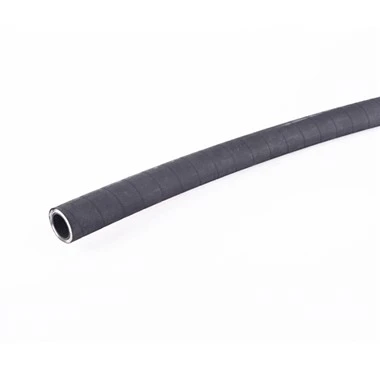
Testing the performance of SAE Standard Hydraulic Hose is a multi – step process that involves various tests. Pressure testing, flexing testing, temperature testing, abrasion testing, chemical compatibility testing, and visual inspection are all important aspects of ensuring the quality and reliability of the hoses.
PVC Hose As a supplier, I take the performance of our hoses very seriously. We conduct all these tests on our products to make sure they meet or exceed the SAE standards. If you’re in the market for high – quality SAE Standard Hydraulic Hoses, I’d love to have a chat with you. Whether you’re working on a small industrial project or a large – scale construction job, we’ve got the right hoses for you. Reach out to us to start a conversation about your specific needs.
References
- SAE International Standards for Hydraulic Hoses
- Hydraulic Hose Manufacturer’s Technical Documentation
- Industry – recognized Hydraulic Testing Guidelines
Hebei Qianli Rubber Products Co., Ltd.
As one of the most professional sae standard hydraulic hose manufacturers and suppliers in China, we have world-leading production equipment and strong manufacturing capabilities. Please feel free to buy bulk durable sae standard hydraulic hose made in China here from our factory.
Address: West industrial Zone, Jing County, Hengshui City, Hebei Province, China.
E-mail: manager@hebeiqianli.com
WebSite: https://www.qianlirubber.com/
