When I first started out as a graphite rod supplier back in 2012, I made a mistake that still makes me cringe a little. I loaded a batch of high-purity 1/2-inch graphite rods into a standard wooden crate with only a thin layer of bubble wrap between each rod, and shipped them to a small lab in Boston. When the package arrived, half the rods were chipped, cracked, and useless. The lab tech had to rush an order for emergency testing, and I ate the entire cost of that batch. That mistake taught me one of the most important lessons of my business: transporting graphite rods safely isn’t just about protecting the product—it’s about protecting the trust your clients put in you. Graphite Rod
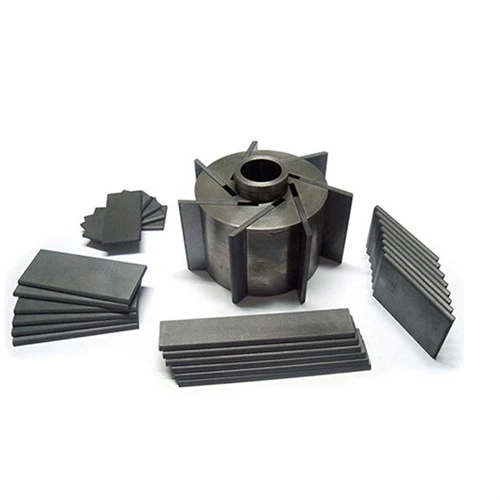
Graphite rods aren’t like plastic tubes or metal bars you can toss around with a little extra packing. They’re made from crystalline carbon, which is incredibly strong in compression but fragile when hit at sharp angles, dropped from even a few feet, or exposed to rough vibrations. They’re also porous, which means they can absorb moisture if they’re not sealed properly, and they conduct electricity, so any metal debris that gets stuck in them mid-transit can ruin their performance. Over the past 11 years, I’ve fine-tuned a process that works for every type of graphite rod we ship—from 1/8-inch thin rods used in lithium-ion battery manufacturing to 4-inch thick rods for industrial furnaces. Today, I want to walk you through exactly how we do it, so if you’re ordering graphite rods for your own work, you know what to ask your supplier to make sure your order arrives in perfect condition.
First, let’s talk about preparation, because safety starts long before the rod goes into a box. Every graphite rod we ship is inspected by two people before packing—one checks for surface defects, and the other measures diameter, length, and straightness. Even a tiny chip at the end of a rod might seem insignificant, but when it’s used in a precision process like semiconductor etching, that chip can cause inconsistent etching rates, ruining entire batches of wafers. If we find any damage at this stage, we set the rod aside and use it for smaller, less critical orders instead. That’s why our defect rate is under 0.5%—it’s worth the extra time to screen every rod, because reworking a batch after it arrives is a much bigger headache than handling it carefully before packing.
Next comes the most important part for individual rods: insulating and separating them. For rods under 2 inches in diameter, we use high-density polyethylene (HDPE) foam sleeves that are custom-cut to fit each rod exactly. The foam is soft enough to absorb impact, but firm enough to keep the rod from shifting around during transit. For larger rods, we wrap them in two layers of food-grade polyethylene film first to block moisture and dust, then we line them with a custom-cut layer of cross-linked polyethylene (XLPE) foam. Here’s a trick I learned from a manufacturing engineer a few years ago: we never place rods directly on hard surfaces, even foam ones. We cut foam pads to fit the bottom and top of every rod, so there’s no hard edge anywhere that can rub against or stress the graphite. Separating rods is equally important—we use custom-cut foam dividers, not just loose bubble wrap, because bubble wrap can shift. If two rods rub together during a bumpy truck ride, the porous graphite will leave tiny graphite dust particles on each other, which can damage their surface finish.
Once the individual rods are prepped, we move on to the packaging for the full shipment. For small orders under 10 rods, we use corrugated fiberboard boxes that are double-walled for extra strength. We line the boxes with XLPE foam padding on all sides, and then place the prepped rods in the box in a way that minimizes movement. For example, if we’re shipping six 1/2-inch rods, we line them up parallel to each other with foam dividers, then fill any empty space at the ends of the box with loose foam peanuts—not styrofoam, which can leave small beads that get stuck in the graphite’s pores. For larger orders, or for rods over 2 inches in diameter, we use wooden crates, but not the basic pine crates I used back in 2012. We build crates from kiln-dried, heat-treated lumber that’s free of splinters and sharp edges, and we line the inside of the crate with 2-inch thick XLPE foam that’s glued and stapled to the wood, so it doesn’t shift during transit. We also add a layer of polyethylene film over the foam to create an extra moisture barrier.
One thing that many suppliers overlook is weight distribution. Graphite is lightweight compared to steel, but it’s still dense enough that a stack of 10 large rods can weigh over 100 pounds. If you stack them unevenly, the bottom rods can get compressed, which can cause tiny internal cracks that you won’t see until you try to use them. We always distribute weight evenly across the length of the shipment. For crates, we place the rods horizontally, not vertically, because vertical stacking can put stress on the bottom rods’ ends. For boxes, we don’t pack more than 50 pounds into a single box—any heavier, and the box might split open during handling, or the rods inside might shift too much.
Moisture protection is another critical step, especially for graphite rods used in high-temperature applications or battery manufacturing. Graphite is porous, so if it absorbs even a small amount of moisture, it can create steam when heated, which causes cracks or blisters in the rod. We add a moisture indicator pack to every shipment, and we make sure all seals are airtight. For long-distance shipments, or shipments going to humid climates, we add an extra layer of vapor barrier film around the entire package before placing it in the crate or box. Last year, we had a client in Singapore who’d had bad experiences with graphite rods arriving with moisture damage from other suppliers. We tested our process by shipping a sample rod to their office, and they measured the moisture content before and after transit—it stayed below 0.05%, which is the threshold for their lithium battery production. They’ve been a repeat client ever since.
Vibration protection is often underestimated too. When trucks go over potholes, or when packages are moved from a warehouse to a delivery truck, they experience constant vibration that can loosen joints or cause small cracks in graphite. We add vibration-damping foam inserts to all our packages, and for crates, we use rubber shock mounts between the crate and the shipping pallet. We also label every package with “Fragile: Handle with Care” and “Keep Upright” in large, bold letters, but we don’t stop there—we work closely with our shipping partners to make sure they know the specific needs of graphite rod shipments. We’ve trained our logistics team to communicate that these packages should not be stacked under heavy items, and that they should be handled with forklifts that have soft forks, not metal ones that can damage the crate or the rods inside.
One of the biggest surprises I’ve had as a supplier is how many clients don’t ask about shipping processes, and how many suppliers don’t offer clear answers. A few months ago, a startup that makes graphite electrodes called me in a panic—another supplier had shipped their rods in a plain cardboard box, and half the rods were cracked. They needed the rods for a critical testing run in two days. I had a pre-packed batch of rods ready, and we shipped them using our standard crate process, with expedited delivery. They arrived in perfect condition, and that startup has grown to become one of our largest clients. That experience drove home something important: when you’re working with graphite rods, a little extra care in shipping can save you weeks of delays and thousands of dollars in lost product.
I know that some smaller buyers might think all graphite rod suppliers use the same shipping method, but that’s simply not true. Some suppliers cut corners to save money, using cheap packaging, not inspecting rods before shipping, or not training their logistics team. At my company, we don’t cut corners. Every step of our shipping process is designed to get you the exact rods you ordered, in the exact condition you need them. We offer different shipping options depending on your needs—same-day delivery for local clients, expedited for urgent orders, and standard for long-distance shipments, all with the same careful packing process.
If you’re in the market for graphite rods, whether you’re working on a small research project or a large industrial operation, I encourage you to ask your potential supplier about their shipping process. Ask them if they inspect every rod before packing, if they use custom foam dividers, if they offer moisture protection, and if they work with their shipping partners to handle fragile loads properly. If they can’t answer those questions clearly, or if they brush off your concerns about shipping, that’s a red flag. Graphite rods are an investment, and the last thing you want is for that investment to be damaged in transit.
I’ve been in this business for over a decade, and I’ve learned that the best way to build long-term relationships with clients is to deliver on every promise—including delivering your product in perfect condition, every single time. Our track record speaks for itself: 99.5% of our orders arrive without any damage, and our clients have given us repeat business year after year because they know they can rely on us.

If you’re ready to order graphite rods, or if you have any questions about our shipping process, please reach out to us to discuss your specific needs. Whether you need small rods for research or large rods for industrial use, we can tailor our packing and shipping process to fit your requirements, so your order arrives safely and on time.
Graphite Tube References
ASTM C116-17, Standard Test Method for Flexural Strength of Carbon and Graphite Materials
ISO 14572:2010, Fine Ceramics (Advanced Ceramics, Advanced Technical Ceramics) — Test method for density of fine ceramics
Manufacturing Chemists Association. (2019). Packaging Guidelines for Industrial Carbon and Graphite Products
Journal of Materials Processing Technology, Volume 210, Issue 14, 2010, Pages 1992-1997: Packing and transportation effects on the mechanical properties of brittle ceramic components
Shanghai IUGIS Carbon Industry Co., Ltd.
With abundant experience, we are one of the most professional graphite rod manufacturers and suppliers in China. Please feel free to buy high quality graphite rod made in China here from our factory. Good service and quality products are available.
Address:
E-mail: sales@iugiscarbon.com
WebSite: https://www.iugis-carbon.com/
