As a supplier in the metal control box industry, I’ve often fielded questions from clients about the low-temperature resistance of our products. Metal control boxes are used in a wide range of applications, from industrial settings in cold climates to outdoor electrical installations where temperatures can drop significantly. Understanding the low-temperature resistance of these boxes is crucial for ensuring their proper functioning and longevity. Metal Control Box
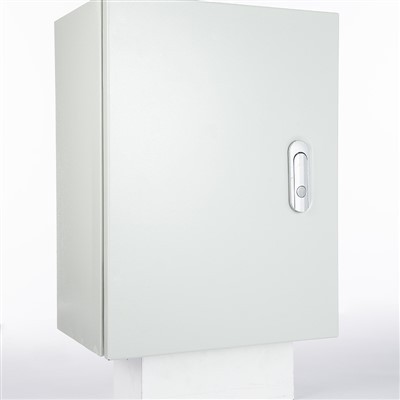
1. The Importance of Low – Temperature Resistance
First and foremost, low – temperature resistance is vital because extreme cold can have a detrimental impact on the physical and electrical properties of a metal control box. Physically, cold temperatures can cause metals to contract. This contraction can lead to stress on the box’s structure, potentially causing cracks or deformations. For example, if a control box is installed in a refrigerated warehouse where temperatures can reach well below freezing, the metal will shrink. If the box is not designed to withstand this contraction, it may start to develop small cracks around the seams or corners.
Electrically, cold can also affect the insulation materials and electrical components within the box. Insulation materials can become brittle in low temperatures, compromising their ability to prevent electrical leakage. Some electrical components may also experience increased resistance in the cold, which can lead to overheating and potential malfunctions. For instance, a circuit breaker inside the control box may trip more easily due to the changes in electrical properties caused by the cold.
2. Factors Affecting Low – Temperature Resistance of Metal Control Boxes
Material Selection
The choice of metal is a fundamental factor in determining low – temperature resistance. Different metals have different coefficients of thermal expansion. For example, stainless steel is a popular choice for metal control boxes due to its relatively low coefficient of thermal expansion. This means that it will contract less in cold temperatures compared to some other metals, reducing the risk of structural damage. Aluminum is another commonly used metal. While it is lightweight and corrosion – resistant, it has a higher coefficient of thermal expansion than stainless steel. However, with proper design and reinforcement, aluminum control boxes can also offer good low – temperature performance.
Coating and Finishing
The coating applied to the metal control box can also enhance its low – temperature resistance. A high – quality powder coating can act as an additional layer of protection, preventing moisture from reaching the metal surface and reducing the risk of corrosion. In cold environments, corrosion can be accelerated due to the presence of ice and snow, which can contain salts and other contaminants. Zinc plating is another option that provides excellent corrosion protection. It acts as a sacrificial anode, meaning that it will corrode before the underlying metal, thus extending the life of the control box in low – temperature and potentially corrosive conditions.
Design Considerations
The design of the control box plays a significant role in its ability to withstand low temperatures. A well – designed box will have proper ventilation to prevent the buildup of moisture, which can freeze and cause damage. Additionally, the use of gaskets and seals is crucial. These components should be made from materials that remain flexible in cold temperatures. For example, silicone gaskets are known for their excellent low – temperature flexibility, making them ideal for sealing metal control boxes in cold environments. The box should also be designed with a certain degree of structural integrity to withstand the stress caused by thermal contraction. Reinforced corners and frames can help distribute the stress evenly and prevent cracking.
3. Testing Low – Temperature Resistance
To ensure that our metal control boxes meet the required low – temperature standards, we conduct a series of tests. One of the most common tests is the cold chamber test. In this test, the control box is placed in a chamber where the temperature can be precisely controlled. We gradually lower the temperature to the specified minimum operating temperature and hold it there for a set period. During this time, we monitor the box for any signs of physical damage, such as cracks or deformations. We also check the functionality of the electrical components inside the box to ensure that they are operating correctly.
Another important test is the thermal cycling test. This test simulates the real – world scenario where the control box experiences repeated temperature changes. We cycle the temperature in the chamber between a low temperature and a normal operating temperature multiple times. This helps us identify any potential issues that may arise due to the expansion and contraction of the metal and the electrical components over time. After the test, we inspect the box for signs of fatigue or damage, such as loosening of screws or degradation of the coating.
4. Applications in Low – Temperature Environments
Our metal control boxes are used in a variety of low – temperature applications. In the oil and gas industry, control boxes are often installed in remote locations where temperatures can drop well below freezing. These boxes are responsible for controlling various processes, such as the flow of oil and gas through pipelines. The low – temperature resistance of our control boxes ensures that they can operate reliably in these harsh conditions, preventing costly downtime and potential safety hazards.
In the food and beverage industry, refrigerated warehouses require metal control boxes to manage the electrical systems that power the cooling equipment. Our control boxes’ ability to withstand low temperatures helps maintain the integrity of the refrigeration systems, ensuring that the food products are stored at the correct temperature. This is essential for maintaining food safety and quality.
5. Meeting Customer Expectations
As a supplier, our goal is to provide metal control boxes that meet and exceed our customers’ expectations. We work closely with our clients to understand their specific requirements, especially when it comes to low – temperature resistance. Whether they need a control box for a small outdoor installation or a large – scale industrial project in a cold climate, we can customize our products to meet their needs.
We also offer technical support to our customers. Our team of experts can provide advice on the best material selection, coating options, and design features for their specific low – temperature applications. We believe that by providing high – quality products and excellent customer service, we can build long – term relationships with our clients.
Contact for Purchase and Consultation
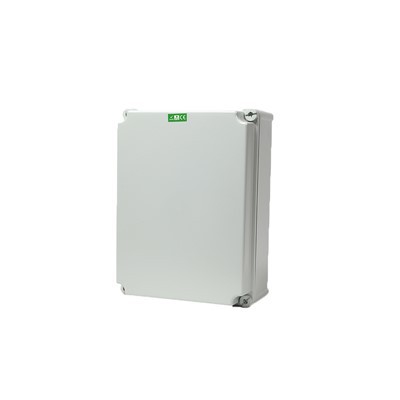
Power Control Box If you are in need of a metal control box with reliable low – temperature resistance, we are here to help. Our experienced team can provide detailed information about our products, answer any questions you may have, and assist you in selecting the right control box for your application. Contact us for in – depth discussions and potential procurement.
References
- ASM Handbook Committee. "Metals Handbook: Properties and Selection: Nonferrous Alloys and Pure Metals". ASM International, 1990.
- ASTM International. Standards related to low – temperature testing of metals and electrical components. ASTM, various years.
Shandong Qinghua Yike Electric Co., Ltd.
As one of the most experienced metal control box manufacturers in China, we also support customized service. We warmly welcome you to buy durable metal control box for sale here from our factory. If you have any enquiry about cooperation, please feel free to email us.
Address: No. 378 Taozhuang Village, Zaoyuan Town, Lanshan District, Linyi City, Shandong Province
E-mail: admin@sd-qhyk.com
WebSite: https://www.qhecobox.com/
