Hey there! I’m a supplier of melt blown filter elements, and I’ve been getting a lot of questions about the transportation requirements for these little guys. So, I thought I’d put together this blog post to share what I’ve learned over the years. Melt Blown Filter Element
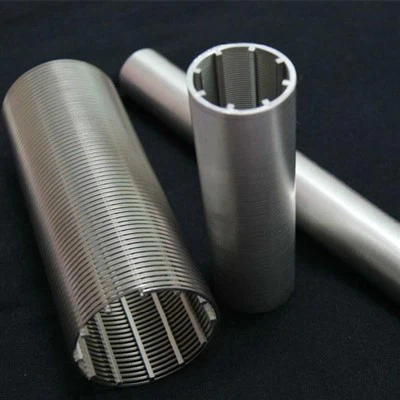
First off, let’s talk about what melt blown filter elements are. They’re these super cool filters that are made by blowing molten polymer through tiny nozzles to create a web of fine fibers. These fibers trap particles and contaminants, making the filter great for all kinds of applications, like air and water purification.
Now, when it comes to transporting these filter elements, there are a few key things you need to keep in mind.
Packaging
The right packaging is crucial. You want to protect the filter elements from damage during transit. Most of the time, we use high – density polyethylene (HDPE) bags. These bags are tough and can withstand a bit of rough handling. They’re also moisture – resistant, which is important because moisture can damage the filter media.
After we put the filter elements in the HDPE bags, we seal them tightly. Then, we often place them in cardboard boxes. The boxes not only provide an extra layer of protection but also make it easier to stack and move the filter elements. We use sturdy, double – walled cardboard boxes because they’re strong enough to hold the weight of the filters and can resist impacts.
Sometimes, for larger or more delicate orders, we’ll add some shock – absorbing materials inside the boxes. Styrofoam peanuts or bubble wrap are our go – to options. These materials help cushion the filter elements and prevent them from hitting against the sides of the box during transportation.
Handling
Once the filter elements are packaged, how they’re handled matters a lot. When loading the boxes onto trucks or other transportation vehicles, we make sure to do it carefully. Forklifts and other handling equipment should be used with care. The operators need to be trained to lift the boxes gently and avoid any sudden jolts or drops.
During the loading process, we also stack the boxes in a stable way. We don’t want them to topple over during the journey. Heavier boxes go on the bottom, and lighter ones on top. This helps distribute the weight evenly and keeps the stack stable.
Temperature and Humidity
Melt blown filter elements are sensitive to temperature and humidity. Extreme temperatures can affect the filter media. For example, if it gets too hot, the polymer fibers in the filter can start to warp or melt. On the other hand, extremely cold temperatures can make the fibers brittle and more likely to break.
We usually try to keep the transportation environment between 5°C and 35°C. If the outside temperature goes beyond this range, we might use climate – controlled vehicles. These trucks have systems that can regulate the temperature inside the cargo area.
Humidity is also a concern. High humidity can cause the filter elements to absorb moisture, which can lead to mold growth in some cases and reduce the effectiveness of the filter. We try to keep the humidity level below 70%. If there’s a risk of high humidity during transportation, we might add desiccant packs inside the packaging. These packs absorb moisture and keep the environment inside the package dry.
Transportation Mode
The choice of transportation mode depends on a few factors, like the distance, the quantity of the order, and the urgency.
For local or short – distance deliveries, we usually use trucks. Trucks are convenient because they can deliver directly to the customer’s location. They also offer some flexibility in terms of the delivery schedule. We can plan the route and the delivery time according to the customer’s needs.
If the order is going to a far – away place or overseas, we might use sea freight or air freight. Sea freight is a cost – effective option for large quantities. However, it takes longer. The shipping time can be anywhere from a few weeks to a couple of months, depending on the destination.
Air freight, on the other hand, is much faster. It can get the filter elements to the customer in a matter of days. But it’s also more expensive. We usually recommend air freight for urgent orders or for customers who need a small quantity of filter elements quickly.
Documentation
For any kind of transportation, proper documentation is necessary. When we ship the melt blown filter elements, we make sure to have all the required paperwork. This includes an invoice, which details the quantity, price, and description of the filter elements.
We also provide a packing list. This list shows what’s inside each box, including the type and number of filter elements. It’s very useful for the customer to check if they’ve received everything they ordered.
If the order is being shipped internationally, we need to deal with customs documentation. This includes things like a certificate of origin, which shows where the filter elements were made. We also need to provide a detailed description of the goods for customs clearance.
Insurance
Lastly, we always recommend getting insurance for the shipment. Accidents can happen during transportation, like the truck getting into an accident or the ship facing rough weather. Insurance can protect both the supplier (that’s me) and the customer from financial losses if something goes wrong.

Most logistic companies offer insurance options, and we can help the customer arrange it. The cost of the insurance depends on the value of the shipment and the level of coverage the customer wants.
Sintered Metal Material and Filter Element So, those are the main transportation requirements for melt blown filter elements. If you’re in the market for these filter elements and have any questions about transportation or anything else, feel free to reach out. I’d be more than happy to have a chat with you and discuss your needs. Whether you’re a small business looking for a few filters or a large corporation in need of a bulk order, I can help you out. Let’s get the conversation started and see how we can work together!
References
- "Filters Handbook" by Christopher D. Metz
- "Transportation Management Best Practices" by Joseph P. O’Brien
Henan Easy Filter Equipment Co., Ltd.
As one of the leading melt blown filter element manufacturers and suppliers in China, we offer a wide range of products with superior quality. Please rest assured to buy advanced melt blown filter element from our factory. We also accept customized orders.
Address: Apartment No.1, Building No.2, Zhengshang Jinyushijia, Xinzhong Street, Xinxiang, Henan, China.
E-mail: vivian@easyfiltertech.com
WebSite: https://www.easyfilter-china.com/
