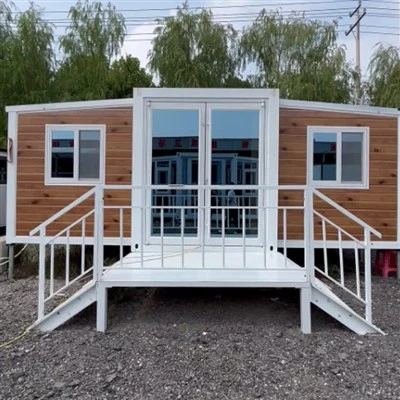
As a supplier of expandable container houses, I’ve witnessed firsthand how these innovative structures are revolutionizing the housing and construction industries. One common customization request we receive is the installation of partitions within these expandable container houses. Partitions can transform a single open space into multiple functional areas, such as bedrooms, offices, or storage rooms. In this blog, I’ll share a detailed guide on how to install a partition in an expandable container house. Expandable Container House
Understanding Your Expandable Container House
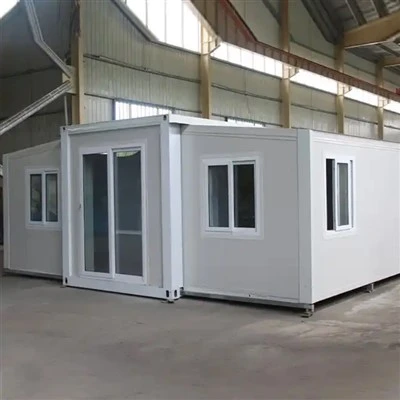
Before you start the partition installation process, it’s crucial to have a clear understanding of your expandable container house. These houses are designed to be flexible and adaptable, with expandable sections that can increase the living or working space. The structure of the container house typically consists of a steel frame, corrugated steel walls, and a roof. The expandable parts are often connected by a folding or sliding mechanism.
Planning Your Partition
- Determine the Purpose: First, decide what the partition will be used for. Will it create a private bedroom, a home office, or additional storage? The purpose will influence the size, location, and design of the partition.
- Choose the Location: Consider the layout of your container house and where the partition will fit best. Think about factors such as natural light, ventilation, and access to electrical outlets. You may also want to consult the original design plans of the container house to ensure that the partition doesn’t interfere with any structural components.
- Select the Partition Material: There are several materials you can choose from for your partition, including drywall, plywood, glass, and PVC panels. Each material has its own advantages and disadvantages. Drywall is a popular choice because it’s lightweight, easy to install, and can be painted to match the interior of your container house. Plywood is more durable and can provide additional insulation. Glass partitions are perfect for creating an open and airy feel, while PVC panels are waterproof and easy to clean.
- Create a Design Plan: Sketch out a detailed design plan for your partition, including the dimensions, the location of any doors or windows, and the placement of electrical outlets or light fixtures. This will help you visualize the final result and ensure that you have all the necessary materials and tools.
Gathering the Necessary Materials and Tools
- Materials: Depending on your chosen partition material, you’ll need to purchase the following items:
- Drywall: Sheets of drywall, drywall screws, joint compound, and taping paper.
- Plywood: Plywood sheets, wood screws, and wood glue.
- Glass: Glass panels, glass clips or brackets, and silicone sealant.
- PVC Panels: PVC panels, panel connectors, and adhesive.
- Tools: You’ll also need a variety of tools to install the partition, including:
- Measuring tape
- Level
- Circular saw or jigsaw
- Drill
- Screwdriver
- Hammer
- Utility knife
- Safety goggles and gloves
Preparing the Container House
- Clean the Area: Before you start installing the partition, clean the area where the partition will be located. Remove any debris, dust, or dirt from the floor, walls, and ceiling.
- Mark the Location: Use a measuring tape and a level to mark the location of the partition on the floor, walls, and ceiling. Make sure the marks are straight and level.
- Check for Obstructions: Look for any obstructions, such as electrical wires, plumbing pipes, or ventilation ducts, that may be in the way of the partition. If you find any obstructions, you may need to relocate them or work around them.
Installing the Partition
- Install the Studs or Framing: If you’re using drywall or plywood, you’ll need to install a stud or framing system to support the partition. Cut the studs or framing members to the appropriate length and attach them to the floor, walls, and ceiling using screws or nails. Make sure the studs or framing members are spaced evenly and are level and plumb.
- Attach the Partition Material: Once the studs or framing is in place, you can start attaching the partition material. If you’re using drywall, cut the sheets to the appropriate size and attach them to the studs using drywall screws. If you’re using plywood, attach the sheets to the framing using wood screws. If you’re using glass, use the glass clips or brackets to attach the panels to the framing. If you’re using PVC panels, use the panel connectors and adhesive to join the panels together.
- Finish the Partition: After the partition material is attached, you’ll need to finish the partition. If you’re using drywall, apply joint compound to the seams and tape the seams with taping paper. Sand the joint compound smooth and apply a second coat if necessary. If you’re using plywood, you can sand the surface and apply a finish, such as paint or stain. If you’re using glass, clean the panels and apply silicone sealant around the edges. If you’re using PVC panels, trim the edges and clean the surface.
Adding Finishing Touches
- Install Doors and Windows: If your partition design includes doors or windows, you’ll need to install them. Measure the opening for the door or window and cut the partition material to fit. Install the door or window frame and attach the door or window to the frame.
- Add Electrical Outlets and Light Fixtures: If you need to add electrical outlets or light fixtures to the partition, you’ll need to hire a licensed electrician. The electrician will run the electrical wires through the partition and install the outlets and fixtures.
- Decorate the Partition: Once the partition is installed and finished, you can decorate it to match the interior of your container house. You can paint the partition, hang pictures or artwork, or add other decorative elements.
Conclusion
Installing a partition in an expandable container house is a great way to customize your living or working space. By following the steps outlined in this blog, you can install a partition that is functional, durable, and aesthetically pleasing. Remember to plan your partition carefully, gather the necessary materials and tools, and prepare the container house before you start the installation process. If you have any questions or need further assistance, don’t hesitate to contact us. We’re here to help you create the perfect expandable container house for your needs.
Folding House If you’re interested in purchasing an expandable container house or have any questions about our products, please feel free to reach out to us. We’re always happy to discuss your requirements and provide you with a customized solution. Let’s start a conversation about how we can transform your living or working space with our high – quality expandable container houses.
References
- "Container Home Design and Construction Guide" by an industry expert in container housing.
- Manufacturer’s manuals for expandable container houses.
- Building codes and regulations related to interior partitions in residential and commercial buildings.
Jiangsu Suqian Longze Modular Construction Co., Ltd.
As one of the most professional expandable container house manufacturers and suppliers in China, our products have good reputation in the market. Please feel free to buy high quality expandable container house at competitive price from our factory. We also accept customized orders.
Address: No. 8, Weisan Road, Shuanggou Town, Sihong County, Suqian City, Jiangsu Province, China
E-mail: Lzmk88888888@163.com
WebSite: https://www.expandablehousefactory.com/
