Hey there, if you’ve ever wondered whether double-walled tanks cut it for gas storage—you’re not alone. I’m on the front lines as a double-walled tank supplier, so I get the questions all the time: “Are they actually safe enough for gas? Can they handle the wear and tear of long-term storage?” Let me break this down straight, no fancy jargon, just what I see day to day. Double-walled Tank
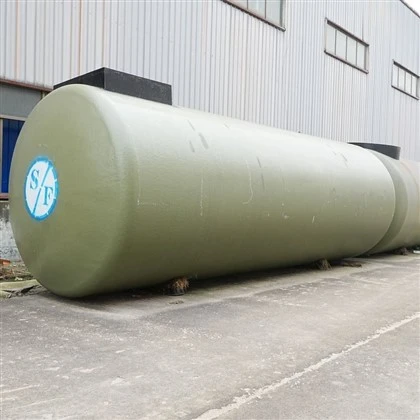
First, let’s cut to the core: Yes, double-walled tanks absolutely can be used for gas storage. But not all of ’em are built the same, right? I’ve seen a lot of folks new to fuel and gas storage mix up double-walled tanks with regular single-walled ones, and that’s where the confusion hits. Single-walled tanks have one thin metal layer that’s prone to dents, rust, and leaks over time—especially if you’re storing volatile stuff like gasoline, diesel, or even natural gas (wait, natural gas storage is a whole other beast, but we’ll get there). Double-walled tanks, though? They’ve got two layers: an inner tank that holds the gas, and an outer tank that acts like a safety net. That gap between ’em isn’t just empty space—we test that area regularly for leaks, so if the inner tank ever springs a pinhole leak, the outer one catches it before gas seeps into the ground or causes a hazard.
Now, let’s talk about why that’s a game-changer for gas specifically. Gas (whether it’s automotive, industrial, or LPG) is volatile. Even small leaks can lead to soil contamination, groundwater issues, or worse—fire risks. A single-walled tank might leak for months before anyone notices, but a double-walled design has interstitial monitoring systems (that’s just tech talk for sensors in the gap) that set off an alert the second there’s a leak. For businesses, that means avoiding messy, costly environmental fines. I’ve had a client who switched from single-walled to our double-walled gas tanks—they told me they dodged a $12,000 EPA fine last year because the sensor caught a tiny leak no one would’ve seen otherwise. That’s real money on the line, and double-walled tanks are built to keep that from happening.
But wait, can they handle different types of gas storage? Let’s break it down. For liquid gases like gasoline, diesel, or kerosene—totally fine. The inner tank is usually made of steel, sometimes reinforced with fiberglass, to withstand the pressure and corrosion from those liquids. For gaseous stuff, like compressed natural gas (CNG) or liquefied petroleum gas (LPG)? Yep, we make double-walled tanks for that too. The outer tank is rated to handle the pressure of the gas, and we line the inner one with materials that don’t react with the gas—so no degradation over time. I’ve supplied double-walled tanks to a fleet fueling company that stores both gasoline and LPG for their delivery trucks, and they’ve had zero issues in three years of use. That’s the kind of track record that matters, not just a sales pitch.
Now, let’s address the big “so what’s the catch?” question, because no product is perfect. Double-walled tanks are a bit more upfront cost than single-walled, right? But here’s the thing: when you factor in the long-term savings—no leak repairs, no environmental fines, less need for frequent replacements—they actually end up cheaper. I had a small business owner tell me he hesitated at first, but in five years, he’s spent less on his double-walled gas tank than he would’ve on three single-walled ones that leaked on him. Also, you can’t just grab any double-walled tank off the shelf. Make sure it’s certified—we follow industry standards like UL 1316 for steel tanks, or API 650 for storage tanks. Those certifications mean the tank has been stress-tested, leak-tested, and built to handle gas storage specifically. Skip the no-name double-walled tanks, and you might as well go back to single-walled.
Another point I get asked a lot: “Do they need more maintenance?” The short answer is—barely. Single-walled tanks need regular rust checks, interior cleaning, and leak tests every couple years. Double-walled tanks? The interstitial sensors just need a monthly check-in (most are automated now, so it’s not even a chore), and the outer tank gets inspected once a year for dents or corrosion. I’ve got a maintenance team that works with our clients to set up those check-ins, so it’s not extra work for them. We’ve designed the tanks to be low-effort, high-reliability—because no one in the gas storage business has time for downtime.
Wait, let’s touch on regulatory stuff, because that’s huge right now. A lot of places are phasing out single-walled tanks for gas storage because of environmental rules. The EPA, for example, requires underground storage tanks (USTs) for gasoline to be double-walled or have secondary containment by 2025 in many areas. If a business tries to use a single-walled tank now, they’re setting themselves up for a compliance nightmare. I worked with a convenience store chain last quarter that had to replace 12 single-walled tanks before the deadline, and they told me our double-walled ones were the only ones that fit their underground space restrictions. That’s not a sales pitch—that’s just what’s required to stay in business these days.
Let me also share a real scenario I saw a few months back. A local construction company had a single-walled tank for their on-site diesel storage. A backhoe nicked it, and by the time someone noticed, the diesel had seeped into the nearby creek. They had to pay for a full environmental cleanup, shut down the site for a week, and face a $5,000 fine. If they’d used a double-walled tank, the dent would’ve only damaged the outer layer, the sensor would’ve alerted them immediately, and there would’ve been zero gas leakage to the environment. That’s the difference between a minor repair and a disaster—and double-walled tanks are built to prevent that.
Now, I know some folks worry about installation. Double-walled tanks are a bit heavier, right? But we work with installation teams that know exactly how to place them—whether they’re underground, above-ground, or even in outdoor storage yards. We provide detailed specs and support during installation, so there’s no guesswork. I’ve installed our tanks in all kinds of spaces: small outdoor yards for landscapers, underground at gas stations, even above-ground in industrial warehouses. They’re flexible, which is why they’re so popular now.
Is there any case where a double-walled tank isn’t the best bet? Honestly, not for gas storage. The only time I’d suggest another option is if someone’s storing non-volatile, non-corrosive stuff for a short time—like water or regular chemicals. But for gas? Volatile, long-term storage? Double-walled tanks are the way to go. They hit the safety, compliance, and cost savings marks all at once.
If you’re in the market for gas storage and wondering if a double-walled tank is right for you, don’t just take my word for it—talk to folks who’ve used ’em. I’ve got a list of clients who’ll tell you the same thing: these tanks pay for themselves fast, and they eliminate a ton of stress. Whether you’re a gas station owner, a fleet manager, an industrial facility, or a small business needing on-site fuel storage, a well-built double-walled tank is worth every penny.

Ready to stop worrying about leaks, fines, and compliance? Reach out to us to chat through your specific needs—we’ll walk you through the sizes, certifications, and options that fit your storage setup. No pushy sales pitches, just straight answers about what works for your gas storage.
Mobile Explosion-proof Fuel Station References
- U.S. Environmental Protection Agency. (2022). Underground Storage Tank Program: Regulatory Requirements for Gasoline Storage.
- Underwriters Laboratories. (2021). Standard for Steel Underground Tanks for Flammable and Combustible Liquids (UL 1316).
- American Petroleum Institute. (2020). Specification for Welded Steel Tanks for Oil Storage (API 650).
- National Fire Protection Association. (2023). Standard for the Storage and Handling of Liquefied Petroleum Gases (NFPA 58).
Shandong Jingcai Industry and Trade Co., Ltd.
As one of the most professional double-walled tank manufacturers and suppliers in China, we also support customized service. With abundant experience, we warmly welcome you to wholesale high quality double-walled tank in stock here from our factory. Contact us for free sample.
Address: Caojiazhuang Village Industrial Park, Lingcheng Town, Qufu City, Jining City, Shandong Province.
E-mail: shandongjingcai888@gmail.com
WebSite: https://www.sdjingcaicn.com/
